
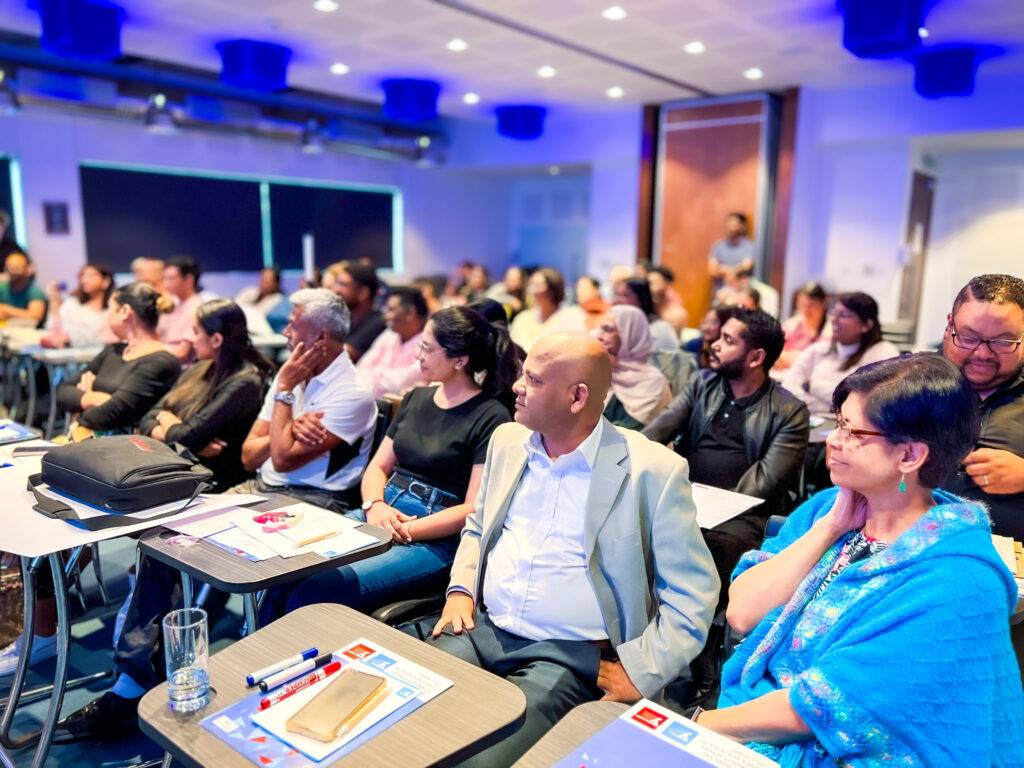
Communication is far more than the exchange of words—it is the gateway to meaningful relationships, emotional intelligence, and authentic connection. While many of us focus on greetings like “hello,” few consider what comes next and how it shapes our interactions. Recognising this, YUVA organised a transformative workshop “What Do You Say After You Say Hello?” on Saturday, 6 September 2025, at Voilà Hotel, Bagatelle, presented by Dr. Krishna Athal, designed to explore the deeper aspects of communication, self-awareness, and relational dynamics. Participants engaged in practical exercises that challenged habitual patterns and provided tools for empowered, conscious interaction.
Exploring the Drama Triangle
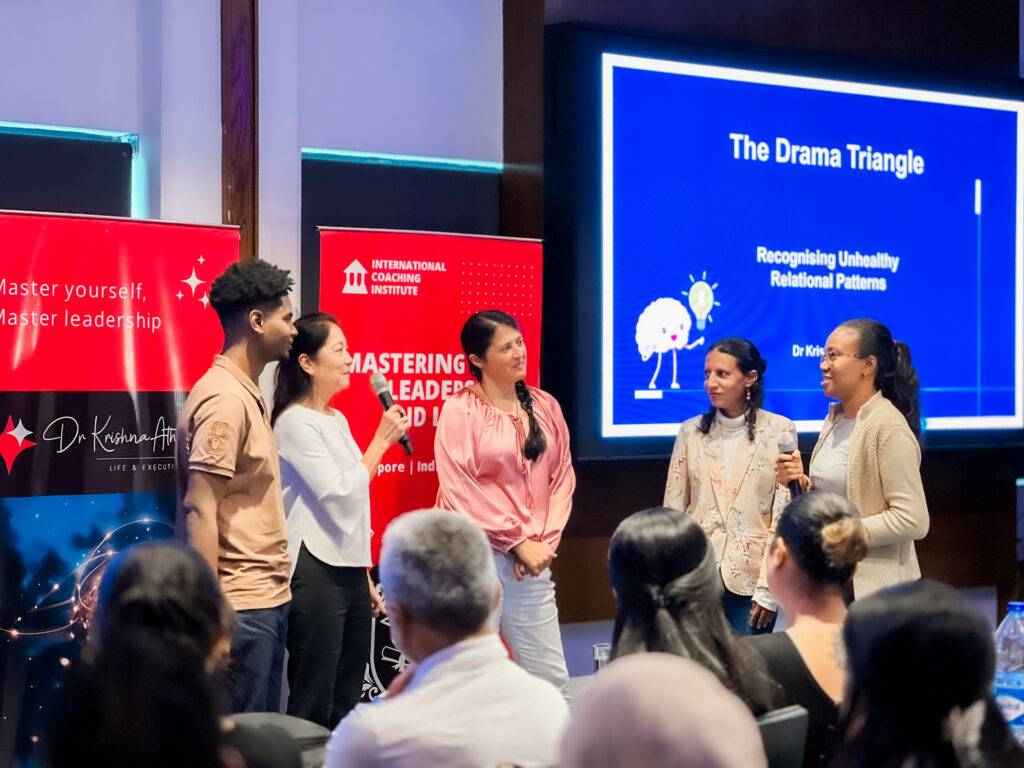
The workshop began by delving into the Drama Triangle, a model developed by Stephen Karpman. The triangle highlights three roles people often adopt in conflict: Victim, Persecutor, and Rescuer. Each role carries distinct emotional patterns and influences relationships in profound ways.
Through role-play exercises, participants embodied each perspective, experiencing the emotional and psychological impact of each role. This immersive approach revealed how unconscious behaviours can escalate conflict and hinder connection. By recognising these patterns, participants could reflect on their own tendencies and begin to break free from destructive cycles, paving the way for healthier interactions.
Understanding the PAC Model and Adult-to-Adult Communication
Building on the Drama Triangle, the workshop introduced the PAC model from transactional analysis, which examines the three ego states: Parent, Adult, and Child.
- Parent: Can be critical or nurturing, reflecting internalised messages from authority figures.
- Adult: Rational, objective, and focused on the present moment.
- Child: Emotional, reactive, and influenced by past experiences.
Participants analysed recent conflicts, identifying which ego state they and the other person were operating from. By consciously shifting to Adult-to-Adult communication, participants discovered a powerful method for fostering clarity, empathy, and constructive dialogue. This practice allowed them to respond rather than react, emphasising understanding over defensiveness.
Experiencing Non-Verbal Communication
Communication is not limited to words. The workshop emphasised the power of non-verbal communication, including posture, gestures, facial expressions, and eye contact. Participants engaged in exercises where they conversed without speaking, relying entirely on body language.
This exercise highlighted the subtleties of human interaction, revealing how posture, tone, and facial expressions convey emotions often more clearly than words. By becoming aware of these signals, participants enhanced their ability to connect authentically, improve understanding, and strengthen relationships.
Reflecting on Personal Scripts
Another central theme of the workshop was examining personal scripts—the recurring behavioural patterns and beliefs carried from childhood that shape adult interactions. These scripts influence how we handle conflict, express emotions, and connect with others.
Through guided reflection, participants identified their habitual scripts and considered ways to rewrite them. By consciously recognising and adjusting these patterns, individuals can foster more authentic, empowered, and effective communication, transforming both personal and professional relationships.
The Meaning of Connection
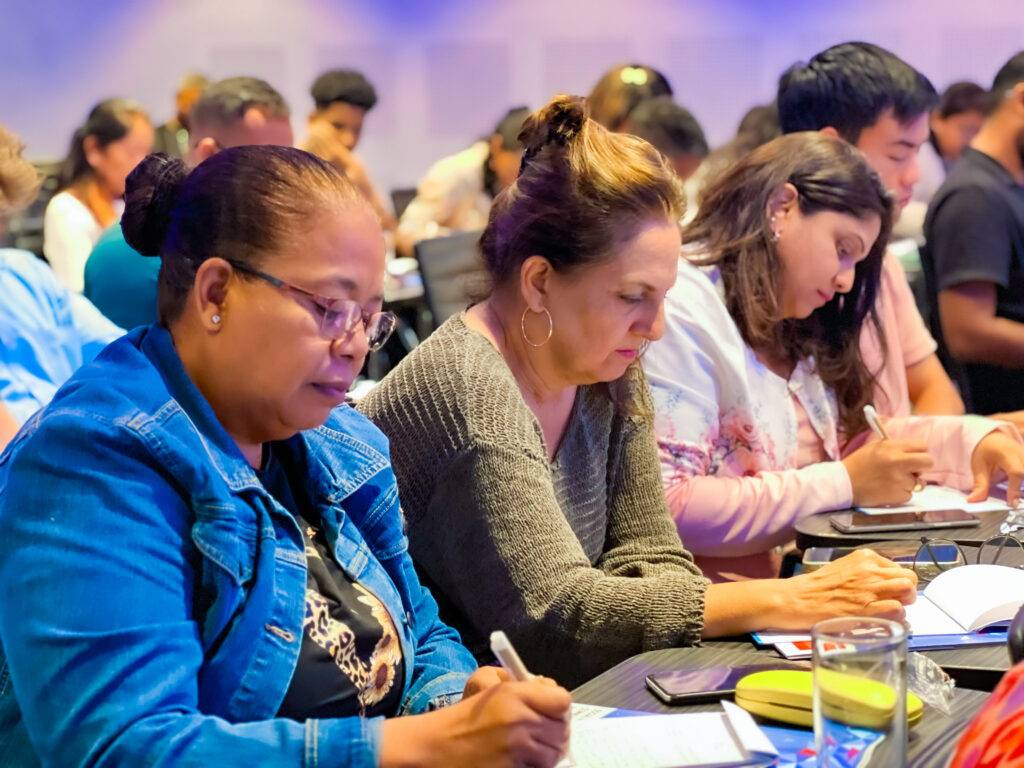
A key insight from the workshop was exploring what connection truly means. Connection is more than exchanging words; it requires presence, empathy, and mutual understanding. Participants reflected on the quality of their interactions and the ways in which conscious communication strengthens relationships.
Exercises, role-plays, and group discussions encouraged participants to explore authentic ways of engaging with others. They discovered that real connection emerges when communication aligns with emotional awareness, active listening, and respect for each other’s perspective.
Practical Takeaways
The workshop provided participants with actionable tools to enhance communication and connection:
- Recognise the Drama Triangle: Identify unconscious roles that escalate conflict and learn to step out of them.
- Apply the PAC Model: Communicate from the Adult state to foster understanding and constructive dialogue.
- Enhance Non-Verbal Awareness: Use posture, gestures, and facial expressions to convey authenticity and empathy.
- Rewrite Personal Scripts: Challenge habitual patterns from childhood to communicate more effectively.
- Prioritise Authentic Connection: Focus on presence, active listening, and mutual respect to build meaningful relationships.
By integrating these techniques, participants can approach conversations with confidence, emotional clarity, and a deeper sense of connection.
Conclusion
Moving beyond the greeting is not simply about what to say after “hello”; it is about cultivating emotional intelligence, conscious presence, and authentic connection. The YUVA workshop offered a transformative experience, equipping participants with the knowledge and practical tools to communicate more effectively, resolve conflicts constructively, and foster meaningful relationships.
Communication is a skill that shapes every aspect of life, from personal relationships to professional success. By exploring the Drama Triangle, PAC model, non-verbal communication, and personal scripts, participants were empowered to transform the way they connect with others, creating deeper, more authentic, and enduring bonds.
Effective communication is a journey—one that begins with awareness, grows through practice, and culminates in genuine connection. Workshops like this remind us that every interaction holds the potential for transformation, provided we move beyond the greeting and into meaningful dialogue.
